Bringing a puppy home is exciting, and it can also feel like a lot at once. In just a few months your puppy will learn where to potty, how to be alone, how to play gently and how to handle a world full of new sights and sounds. This guide lays out what to focus on during those first months so you can build good habits from day one.
Before Your Puppy Comes Home
A little preparation makes the first week much smoother. Set up a small, safe area where your puppy will spend time when you cannot watch them, such as a puppy pen in the kitchen or a gated laundry room. Then gather the basics:
- A crate sized so your puppy can stand, turn around and lie down comfortably
- A pen or baby gates to limit access to the house
- Food and water bowls, plus the food your puppy is already eating
- A flat collar or harness, ID tag and a 6-foot leash
- Several chew toys in different textures
- Enzyme cleaner for accidents
- Small, soft training treats
Go through your home at puppy height and remove hazards like electrical cords, small objects and toxic plants. Check low cabinets, trash cans and anything chewable at floor level.
The First Few Days
Keep things calm and predictable. Your puppy has just left everything familiar, and a quiet start helps them settle. Limit visitors for the first few days, stick to a routine and give your puppy plenty of time to sleep. If the breeder or shelter gave you a blanket or toy that smells like the litter, put it in your puppy’s sleeping area.
Schedule a visit with your veterinarian in the first week or so. Your vet will check your puppy’s overall health, set up a vaccination schedule, discuss parasite prevention and talk with you about spaying or neutering and microchipping. Bring any records you received and write down your questions ahead of time.
A Simple Daily Routine
Puppies thrive on routine. Regular meals, potty breaks, play and naps make house training easier and help your puppy feel secure. Here is a sample day for a young puppy:
| Time | Activity |
|---|---|
| 6:30 a.m. | Potty break, then breakfast, then another potty break |
| 7:00 a.m. | Short play and a 2-minute training game |
| 7:30 a.m. | Nap in crate or pen |
| Late morning | Potty, play, short socialization outing, nap |
| Noon | Lunch, potty, quiet chew time |
| Afternoon | Repeat cycles of potty, play, training and naps |
| Evening | Dinner, potty, calm play, wind-down |
| Bedtime | Last potty break, then crate near your bed |
Young puppies sleep a lot, often 18 hours or more a day, and an overtired puppy tends to bite and get wild. Planned naps are part of good puppy care. A quiet, darkened pen or crate makes those naps easier.
House Training and Crate Time
House training is mostly about timing and supervision. Take your puppy out to the same spot after waking up, after eating or drinking, after play and every couple of hours in between. When they go, praise calmly and give a treat right away, outside. A common rule of thumb is that puppies can hold it for roughly their age in months plus one hour, though every puppy is different and nighttime is often easier than daytime.
Accidents happen. Clean them up with an enzyme cleaner and do not scold your puppy, which only teaches them to hide when they go. For a full plan with schedules and troubleshooting, read house training a puppy: a simple plan.
Crate Training and Alone Time
A crate can be a safe, cozy den for your puppy and a helpful tool for house training and nights. The goal is for your puppy to like their crate. Feed meals in it, toss treats inside and offer a special chew there. Start with very short periods with you nearby, and build up gradually.
It is just as important to teach your puppy that being alone for short periods is normal. Practice brief separations from the start: step out of the room for a minute, come back calmly, and slowly lengthen the time. See our guide to crate training a puppy gently for step-by-step instructions.
Socialization: The Big Window
Puppies go through a sensitive period for socialization in their first few months, roughly from 3 weeks to around 14 weeks of age. During this time, they are especially open to new experiences. Positive exposure to people, sounds, surfaces, handling and other friendly animals helps them grow into confident adults.
Because this window overlaps with the vaccination series, talk with your veterinarian about safe ways to socialize. The American Veterinary Society of Animal Behavior has encouraged owners to start socialization before vaccinations are complete, in careful, low-risk settings. Good options include:
- Well-run puppy classes that require vaccine records and clean floors
- Carrying your puppy to watch traffic, people and shopping carts
- Visits with healthy, vaccinated adult dogs you know are friendly
- Meeting calm visitors at home
Avoid places where many unknown dogs gather, like dog parks, until your vet says it is safe. Our article on puppy socialization includes a checklist of what to introduce.
Nipping, Chewing and Teething
Puppies use their mouths for everything, and nipping is completely normal. It is still important to teach gentle manners. Keep a toy handy to redirect your puppy’s teeth, pause play when teeth hit skin and make sure your puppy gets enough sleep, since overtired puppies nip more. Our article on handling puppy nipping goes step by step.
Puppies have 28 baby teeth, which start to fall out at around 3 to 4 months as the 42 adult teeth come in. Teething can make chewing intense for several months. Offer a variety of safe chew toys and rotate them to keep them interesting. Supervise chewing and replace toys that start to break apart.
Early Training
You can start gentle, reward-based training on the first day. Puppies learn quickly in short sessions of one to three minutes. Good early skills include:
- Responding to their name
- Sit
- Coming when called, using happy recall games
- Walking on a leash indoors
- Settling on a mat
- Accepting gentle handling of paws, ears and mouth
Use small, soft treats and praise. Avoid harsh corrections, which can make a young puppy fearful and slow down learning.
Practice in different rooms and, once it is safe, in the yard, so your puppy learns that cues work everywhere. Keep a few treats in your pocket during the day and reward good choices you happen to see, like lying quietly or coming to you without being asked.
Handling and Grooming From the Start
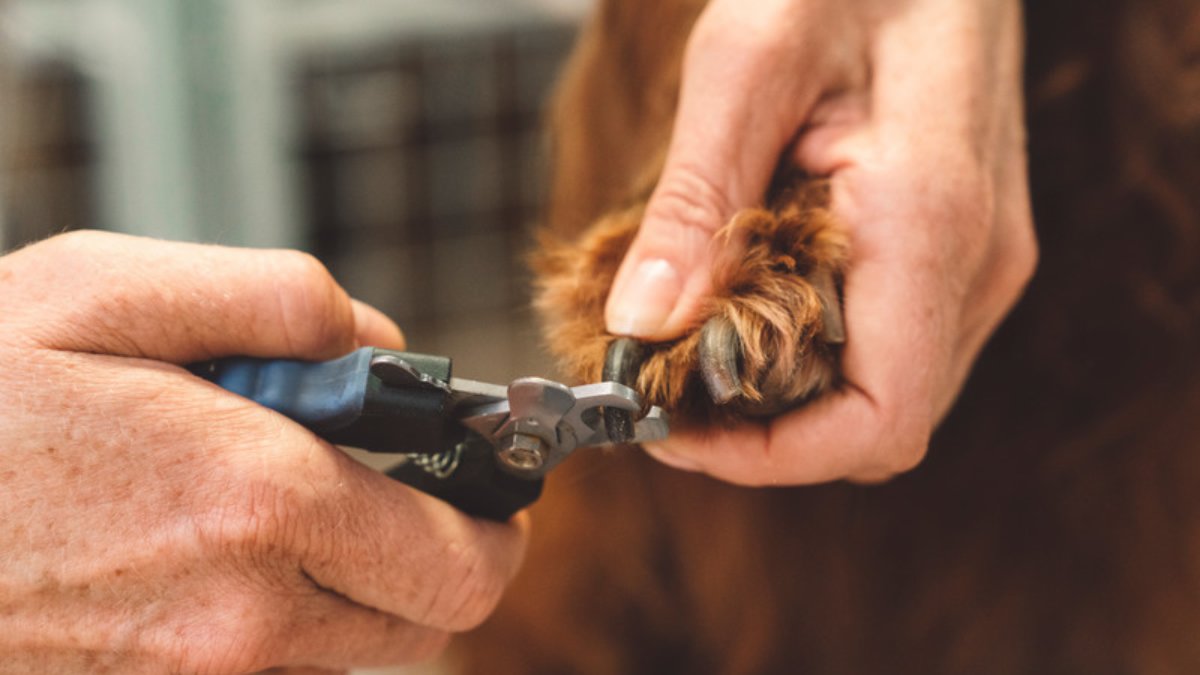
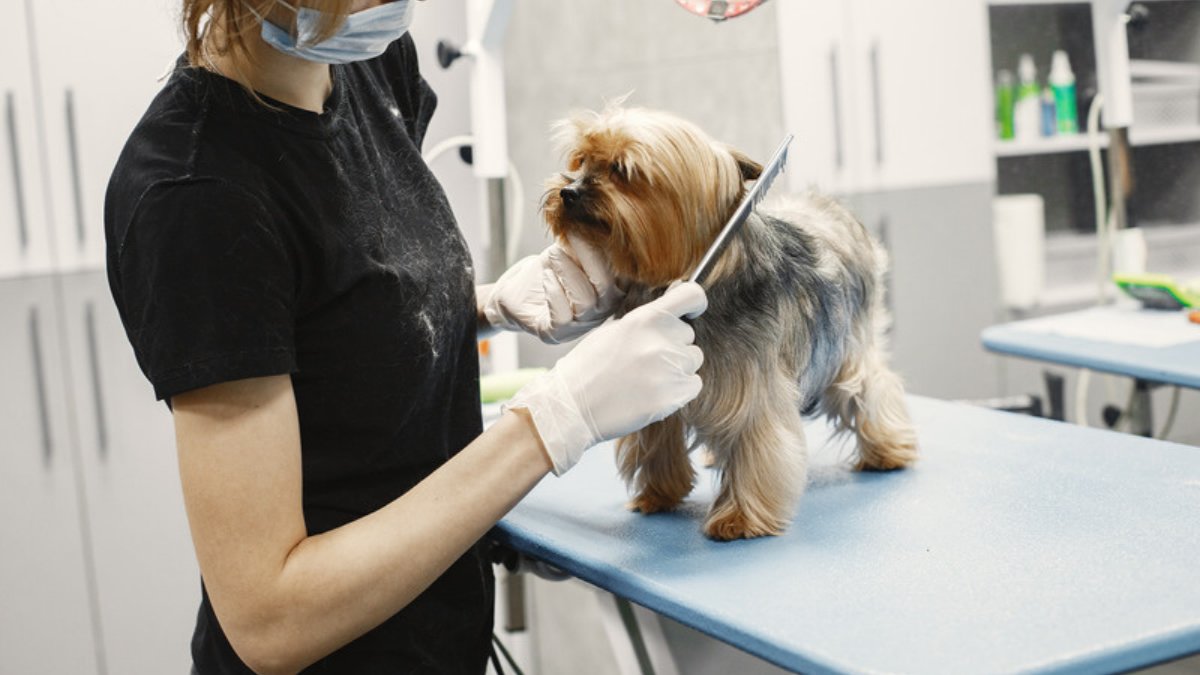
Every dog will need nail trims, ear checks, tooth brushing and vet exams for life. Getting your puppy comfortable with handling now makes all of that easier later. Keep sessions short and pair each touch with a treat:
- Touch one paw for a second, then give a treat. Work up to holding the paw and gently pressing a toenail.
- Lift an ear flap and peek inside, then treat.
- Lift a lip to look at the teeth, then treat.
- Run a soft brush along the back for a few strokes, then treat.
- Practice gentle restraint by holding your puppy in your lap for a few seconds before releasing and rewarding.
If your puppy squirms or pulls away, you moved too fast. Go back to a smaller step. A puppy who learns that handling predicts treats is likely to be a calmer patient at the vet and groomer.
Feeding, Exercise and Safety
Feed a complete and balanced food formulated for puppies, and follow the guidelines on the package as a starting point. Your veterinarian can help you adjust portions as your puppy grows and tell you when to switch to adult food, which varies by breed size. Many young puppies eat three or four small meals a day.
Puppies need play and exercise, but in short bursts with plenty of rest. Free play on soft ground, short walks and training games are better than long runs or repetitive jumping while bones and joints are still developing. Ask your vet what is appropriate for your puppy’s breed and size.
Keeping Your Puppy Safe
Puppies are curious and fast, and they will test everything with their mouths. A few habits prevent most emergencies:
- Supervise closely, and use a crate or pen when you cannot watch.
- Keep medications, cleaning products, batteries and small objects out of reach.
- Know the foods that are dangerous to dogs. The ASPCA Animal Poison Control Center lists chocolate, grapes and raisins, onions, garlic and xylitol among them.
- Keep your puppy’s ID tag on and register the microchip once it is placed.
- Save your veterinarian’s number and the nearest emergency animal hospital in your phone.
If your puppy has vomiting, diarrhea, low energy, trouble breathing or eats something worrying, call your veterinarian right away. Young puppies can go downhill quickly, so it is better to call early.
Looking Ahead to Adolescence
Somewhere around 6 months of age, many puppies enter adolescence, which can last well into the second year, especially in larger breeds. You may notice your once-attentive puppy ignoring cues they knew perfectly, testing boundaries or seeming more easily distracted. This is a normal stage, not a sign that training failed.
Keep doing what works: short training sessions, plenty of rewards, consistent house rules and enough exercise and chewing outlets. Continue gentle socialization so your dog keeps having good experiences with people, dogs and new places. If you see growling, snapping or strong fear, reach out to your veterinarian and a certified, reward-based trainer early rather than waiting for it to pass.
Frequently Asked Questions
When should my puppy first see the vet?
Within the first week or so after coming home is a common recommendation. Your vet will set up vaccines, parasite prevention and a schedule for future visits.
Is it normal for my puppy to cry at night?
Yes, especially in the first few nights. Keeping the crate next to your bed and taking quiet potty breaks usually helps.
How much should my puppy sleep?
Many young puppies sleep 18 hours or more a day. If your puppy is wild and bitey, a nap may be overdue.
When can my puppy go to the dog park?
Wait until your veterinarian says your puppy’s vaccinations are complete, and even then choose quiet times so your puppy has good experiences.
The first months with a puppy go by fast. Focus on routine, gentle training and positive new experiences, and you will be laying the groundwork for a happy, confident adult dog.