
The right brush for a Labrador is the wrong brush for a poodle, and using the wrong one can turn grooming into a tug of war. Brushing goes faster, feels better for your dog and actually removes loose hair when the tool and technique match the coat. Here is how to sort out your dog’s coat type and build a simple brushing habit.
The American Kennel Club explains that brushing needs vary by coat type, and its grooming resources describe which tools tend to work best for short, double, curly and long coats.
Why Regular Brushing Matters
Brushing does several jobs at once. It removes dead hair before it lands on your couch, prevents painful mats and tangles, clears out dirt and debris, and spreads natural skin oils along the coat. It also gives you a hands-on check for ticks, lumps, scabs, dry patches or fleas. Dogs that are brushed often usually get more comfortable with handling in general, which helps at the vet and the groomer.
Identify Your Dog’s Coat Type
Many dogs fit one of these broad groups, though mixed breeds can have a blend:
- Short and smooth: close-lying hair, like a boxer, beagle, Doberman or Boston terrier.
- Double coat: a soft, dense undercoat under a coarser outer coat, like a German shepherd, Siberian husky, golden retriever or corgi.
- Long and silky: fine, flowing hair, like a Yorkshire terrier, Maltese or Shih Tzu.
- Curly or wavy: tight curls that trap shed hair, like a poodle, bichon frise or many doodle mixes.
- Wire or rough: crisp, harsh hair, like many terriers and schnauzers.
If you are not sure, ask your groomer or veterinarian. They can tell you at a glance and may suggest tools that suit your dog’s specific coat.
Matching Brushes to Coats
| Coat type | Helpful tools | Typical brushing |
|---|---|---|
| Short and smooth | Rubber curry brush, bristle brush, grooming mitt | About once a week |
| Double coat | Undercoat rake, slicker brush, wide-tooth comb | Several times a week; more in shedding season |
| Long and silky | Pin brush, slicker brush, fine-tooth comb | Daily or every other day |
| Curly or wavy | Slicker brush, metal comb | Several times a week, often daily |
| Wire or rough | Slicker brush, comb; hand-stripping by a groomer | About weekly |
These are general ranges. A dog that swims, rolls in the yard or has a heavy coat may need more frequent sessions.
How to Brush, Step by Step
- Pick a calm moment. After a walk, when your dog is tired, is often best. Have treats within reach.
- Start with your hands. Run your fingers through the coat to find tangles, burrs or sore spots before the brush hits them.
- Work in sections. Start in an easy spot, like the shoulders or back, and move in small areas. Brush in the direction the hair grows.
- Brush down to the skin, gently. On thicker coats, use a technique called line brushing: lift a section of hair with one hand and brush the layer underneath, working outward. This keeps mats from hiding close to the skin.
- Finish with a comb. For long and curly coats, run a metal comb through each section. If it snags, that area needs more work.
- Reward often. Give a treat every few strokes at first. Stop before your dog gets fidgety.
Pay special attention to friction spots where mats form fast: behind the ears, under the collar, in the armpits, on the back of the legs and around the tail.
Dealing With Mats and Tangles
Small tangles can often be worked out by holding the hair close to the skin, so you are not pulling on it, and gently teasing the knot apart with your fingers or the end of a comb. A detangling spray made for dogs can help.
Large, tight mats are a different story. They can pull painfully on the skin, trap moisture and hide irritation. Do not try to cut mats out with scissors; it is very easy to cut the skin, which is often pulled up into the mat. A professional groomer can shave out severe mats safely. Preventing mats with regular brushing is much easier than removing them.
Shedding Season and Double Coats
Many double-coated breeds “blow” their undercoat once or twice a year, often in spring and fall, shedding large tufts of fluffy hair. During this time, daily brushing with an undercoat rake or slicker brush helps a lot. A bath with a thorough rinse, followed by a good brush-out once the coat is fully dry, can loosen more of the undercoat.
Avoid shaving double-coated breeds unless your veterinarian advises it for a medical reason. The double coat helps protect against both heat and cold, and some coats do not grow back the same way after shaving.
Making Brushing Pleasant
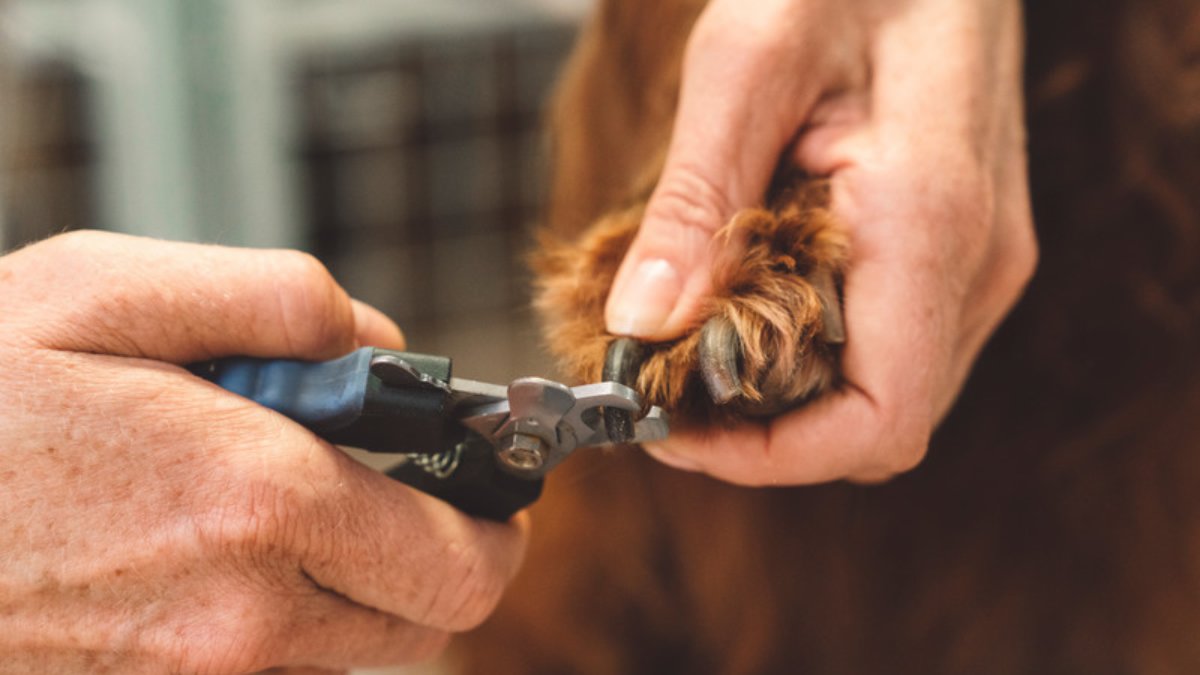
If your dog runs from the brush, slow way down. Show the brush, then give a treat. Touch the brush to the shoulder, then treat. Do one stroke, then treat. Build up over several days. A lick mat smeared with a little dog-safe spread can keep your dog busy during sessions. Keep sessions short, just a few minutes, and end before your dog wants to leave. These same counterconditioning ideas work well for nail care, as explained in our guide to trimming dog nails without stress.
Puppies benefit from early, gentle brushing even if they barely have a coat yet. It sets them up for easier grooming as adults.
Common Brushing Mistakes
- Brushing only the top layer. The coat looks smooth, but mats form underneath. Use a comb to check.
- Pressing too hard with a slicker brush. The thin pins can scratch skin. Use a light touch.
- Brushing a wet, matted coat. Water tightens many mats. Brush out tangles before bathing.
- Waiting too long between sessions. Long gaps make each session harder and more uncomfortable.
- Ignoring skin problems. Redness, flaking, bald spots or a strong odor are worth a vet visit.
Brushing is one piece of a bigger care routine that includes baths, nails and health checks. Our everyday dog care routine guide shows how it all fits together, and our article on bathing your dog at home covers what to do once the brushing is done.
Frequently Asked Questions
Can I brush my dog too much?
Gentle brushing is rarely a problem, but heavy, repeated use of rakes or slicker brushes in one spot can irritate skin. Use light pressure and watch for redness.
Do short-haired dogs really need brushing?
Yes. Short-coated dogs still shed, and a weekly pass with a rubber brush removes loose hair, keeps the coat shiny and gives you a chance to check the skin.
How do I know when to see a groomer?
If your dog has tight mats, a coat that needs regular trimming or hand-stripping, or simply will not tolerate brushing at home, a professional groomer can help.
The best brushing routine is the one you actually keep. Match the tool to the coat, keep sessions short and sweet, and your dog will look, and likely feel, better for it.