Good dog care is mostly made of small, repeated habits: meals at the same time, a walk your dog looks forward to, a quick brush, a check of ears and paws. None of it takes long on its own. Put together into a daily routine, these habits keep your dog healthier, calmer and easier to live with.
Why a Routine Matters
Dogs are creatures of habit. When meals, walks, play and rest happen at roughly the same times each day, many dogs settle more easily, have fewer bathroom accidents and show less restless or demanding behavior. A routine also helps you. When care tasks are built into your day, they are less likely to slip, and you are more likely to notice small changes in your dog’s health early.
A routine does not need to be rigid. Aim for a predictable rhythm, not a schedule timed to the minute. If breakfast is at 7:00 on weekdays and 8:30 on Saturdays, most dogs adjust just fine.
A Sample Daily Schedule
Every household is different, but a typical day for an adult dog might look something like this:
| Time of day | What happens |
|---|---|
| Early morning | Bathroom break, then a walk with time to sniff |
| Morning | Breakfast, ideally from a puzzle feeder; fresh water |
| Midday | Rest; bathroom break or a dog walker if you are out for long hours |
| Afternoon | Short play or training session, a few minutes of brushing |
| Evening | Walk or active play, dinner, quiet chew time |
| Bedtime | Last bathroom break, then sleep in a comfortable spot |
Puppies need more frequent bathroom breaks, shorter activity sessions and more naps. Senior dogs may need gentler walks and extra trips outside. Adjust the shape of the day to fit your dog’s age and health.
Feeding and Water
Most adult dogs do well on two meals a day, while puppies often eat three or four smaller meals. Your veterinarian can help you choose a complete and balanced food and the right amount for your dog’s age, size and activity level. Feeding guides on food bags are a starting point, but many dogs need more or less.
- Measure meals. Use a measuring cup or kitchen scale instead of eyeballing. Small daily extras add up.
- Count treats. A common rule of thumb is to keep treats to about 10 percent of daily calories. Use part of your dog’s regular food for training when you can.
- Check body condition. You should be able to feel your dog’s ribs without pressing hard, and see a waist when looking from above. Ask your vet if you are unsure.
- Keep water fresh. Clean bowls daily and refill often, especially in hot weather or after exercise.
- Know the dangerous foods. The ASPCA lists foods that are toxic to dogs, including chocolate, grapes and raisins, onions and garlic, and products sweetened with xylitol. Keep these out of reach.
Mealtime can also be brain time. Feeding from a puzzle toy or scattering kibble on a clean patch of grass turns a two-minute meal into a 15-minute activity.
Exercise and Mental Stimulation
Daily exercise helps keep your dog at a healthy weight, supports joint and heart health, and drains energy that might otherwise go into chewing, barking or digging. How much your dog needs depends heavily on breed, age and health. A young retriever or herding dog may need well over an hour of active time, while a senior toy breed may be happy with two short strolls. Our guide to dog exercise needs by energy level breaks this down in detail.
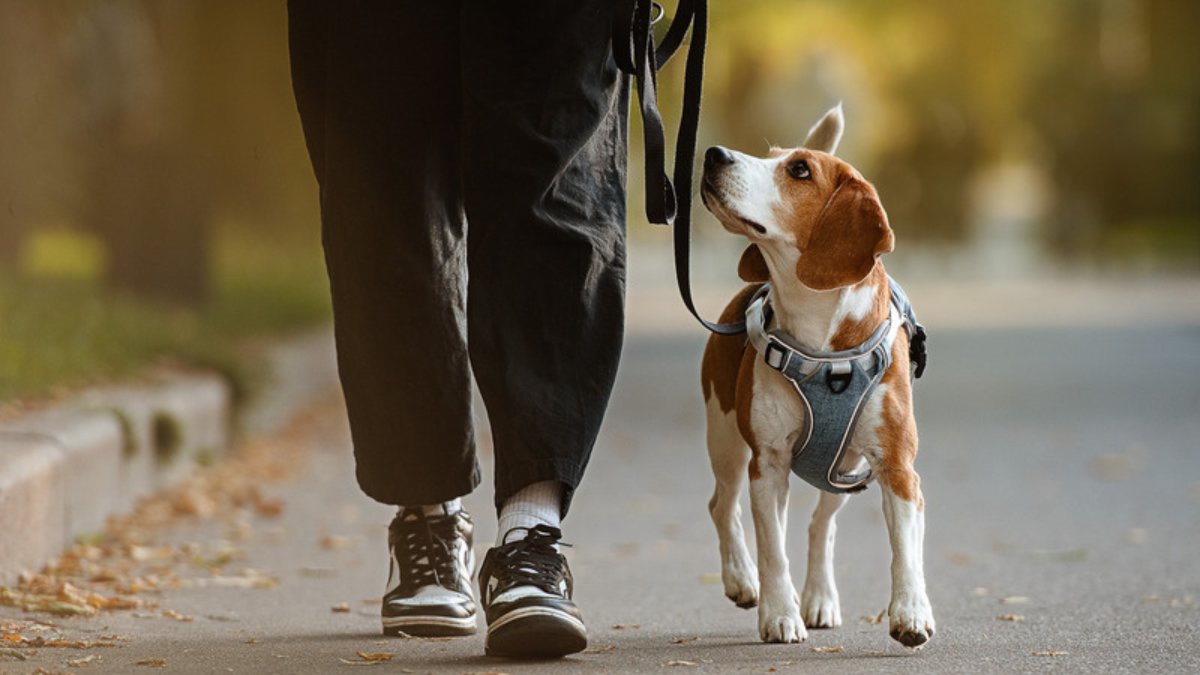
Walks are not just exercise; they are information. Letting your dog stop and sniff gives its brain a workout and is often more satisfying than a brisk march. Try to include at least one sniff-friendly walk each day.
Mental work matters just as much as physical activity, especially on busy or rainy days. Good options include:
- Food puzzles and lick mats
- Hide-and-seek with treats or toys
- Short training sessions to practice old cues or learn new tricks
- Gentle tug or fetch with clear rules
- New places to walk and explore
For more ideas, see our collection of enrichment games for indoor days.
Grooming: Brushing, Bathing and Nails
Grooming is about more than looks. Regular brushing removes loose hair and dirt, prevents mats, spreads skin oils and gives you a chance to spot lumps, scabs, ticks or skin problems early.
Brushing
How often to brush depends on your dog’s coat. Short, smooth coats may only need a weekly once-over. Long, curly or double coats often need brushing several times a week or even daily, especially during shedding seasons. Choosing the right brush makes a big difference; our guide to brushing your dog by coat type explains which tools fit which coats.
Bathing
Most dogs do not need frequent baths. Bathe when your dog is dirty or smelly, using a shampoo made for dogs. Brush before bathing to remove tangles, rinse thoroughly and dry well, especially in thick coats.
Nails
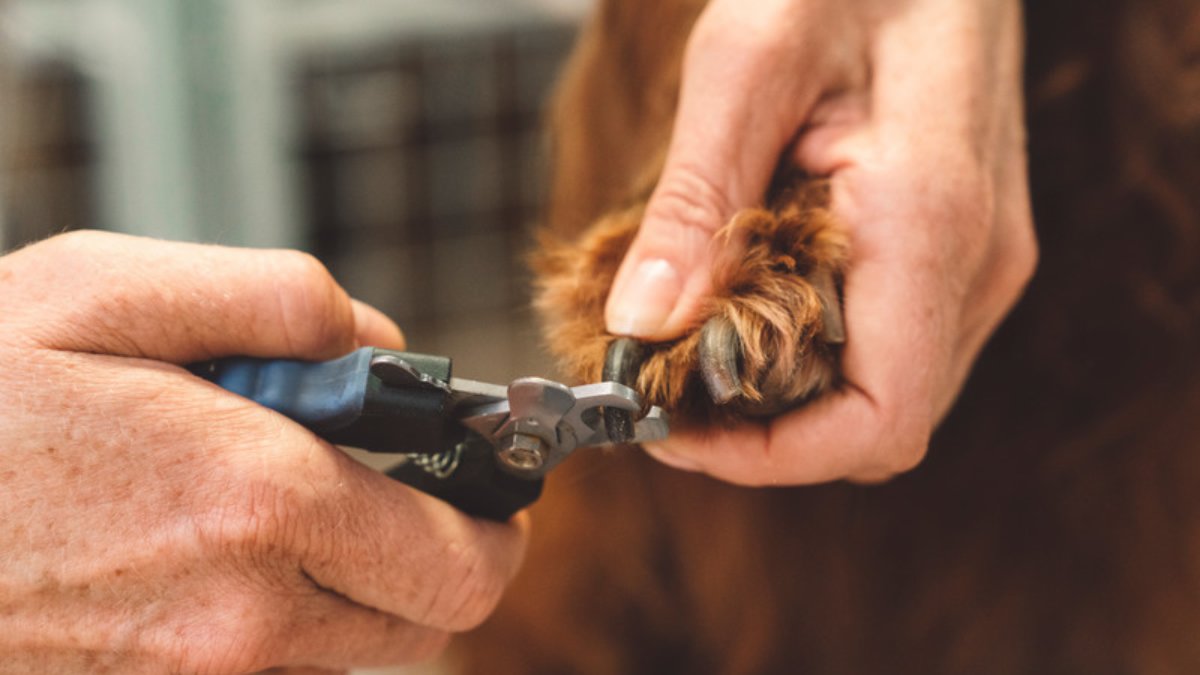
Nails that click on the floor are usually too long. Overgrown nails can make walking uncomfortable and change how a dog stands. Many dogs need a trim every few weeks, though dogs who walk a lot on pavement may wear theirs down naturally. If nail trims are a struggle in your home, our article on trimming dog nails without stress walks through a slow, reward-based approach.
Quick Weekly Health Checks
A few minutes once a week, when your dog is relaxed, can help you notice problems before they grow. Pair each step with treats so your dog learns to enjoy being handled.
- Eyes: look for redness, cloudiness, squinting or heavy discharge.
- Ears: check for redness, a strong smell, dark debris or frequent head shaking. Floppy-eared dogs and swimmers are prone to ear trouble.
- Mouth: lift the lips and look at teeth and gums. Bad breath, red gums or heavy tartar are worth mentioning to your vet. Many vets recommend regular tooth brushing with a toothpaste made for dogs.
- Skin and coat: run your hands over your dog’s whole body, feeling for lumps, bumps, scabs, hot spots or ticks.
- Paws: check between toes for burrs, cuts, redness or foreign objects, and look at nail length.
- Weight and habits: notice any changes in appetite, thirst, energy, bathroom habits or weight.
Contact your veterinarian if you see anything unusual or if your dog’s behavior changes suddenly. You know your dog best, and small changes are often the first clue.
Vet Visits and Preventive Care
Most adult dogs should see a veterinarian at least once a year for a wellness exam. Puppies and seniors often need more frequent visits. At these visits, your vet can discuss vaccinations, parasite prevention for fleas, ticks and heartworm, dental care and diet. Follow your veterinarian’s advice on which preventives your dog needs and how often, since recommendations vary by region and lifestyle.
Keep a simple record of vet visits, vaccinations and any health notes, along with your vet’s phone number and the nearest emergency animal hospital. A microchip with up-to-date contact details and a collar with an ID tag also help your dog get home if it ever gets lost.
Bathroom Breaks, Cleanup and Home Safety
Regular bathroom breaks are a core part of daily care. Most adult dogs do best with a trip outside first thing in the morning, after meals, after play and right before bed. Taking your dog to the same spot each time and calmly praising it when it goes helps keep house training solid, even in adult dogs.
A few simple household habits also keep your dog safe day to day:
- Pick up waste promptly in your yard and on walks, and wash your hands afterward.
- Keep trash cans covered or behind cabinet doors, since food scraps and wrappers can upset a dog’s stomach.
- Store cleaning products, medications, batteries and garden chemicals well out of reach.
- Check that gates and fences latch properly, and look for gaps your dog could squeeze through.
- Wash food and water bowls daily and clean bedding and toys regularly.
Finally, slip a little training into each day. A two-minute session before breakfast to practice sit, down or a new trick keeps skills sharp and gives your dog a satisfying job. Small daily practice adds up faster than a long session once a week.
Rest, Sleep and Quiet Time
Dogs sleep much more than people, and adult dogs commonly spend a large part of the day resting. Puppies and seniors sleep even more. Give your dog a comfortable, quiet spot to rest away from heavy foot traffic, and teach kids to let a sleeping dog lie.
An overtired dog can be just as difficult as an under-exercised one. If your dog becomes mouthy, jumpy or snappy late in the day, it may need more downtime, not more activity. A calm chew in its bed is a great way to wind down.
Adjusting the Routine Through Life Stages and Seasons
- Puppies: frequent potty breaks, short play sessions, lots of naps and gentle handling practice.
- Adults: steady exercise, training to keep their minds busy and regular grooming.
- Seniors: softer bedding, shorter and slower walks, closer health monitoring and more frequent vet checkups.
- Hot weather: walk in the cooler early morning or evening, test pavement with the back of your hand, and bring water. Flat-faced breeds are especially sensitive to heat.
- Cold weather: wipe paws after walks to remove ice-melting salt, and consider a coat for small or thin-coated dogs.
Travel days and holidays can shake up a routine. Keep meal times and walks as steady as you can, and bring familiar bedding and toys when you go.
Frequently Asked Questions
How many times a day should my dog go outside?
Most adult dogs need at least three or four bathroom breaks a day. Puppies, seniors and dogs with certain health conditions often need more. Watch your dog’s signals and ask your vet if you notice changes.
Is it okay to feed my dog once a day?
Many adult dogs do well with two meals a day, which can help with hunger and energy. Talk to your veterinarian about what fits your dog best.
How can I fit dog care into a busy schedule?
Tie tasks to things you already do. Brush your dog while you watch TV, do a paw check after the evening walk and feed meals from puzzle toys. A dog walker can help on long workdays.
What should I do if my dog skips a meal?
An occasional skipped meal is not always cause for alarm, especially in hot weather. If your dog refuses food for more than a day, or shows other signs like vomiting or low energy, call your veterinarian.
Everyday care is a lot of small kindnesses repeated over time. Build them into your days, stay curious about changes, and lean on your veterinarian for the medical side, and your dog will feel the difference.